Stuck Trucks Pulled Free From Difficult Terrain
Winch-Out Services in Estherville & Spirit Lake, IA, for commercial vehicles trapped in mud, snow, ditches, and off-road conditions
Commercial vehicles become immobilized in soft ground, deep snow, and steep ditches where wheel traction alone cannot overcome the resistance holding the truck in place. Randy's Wrecker and Repair uses high-capacity winch systems mounted on heavy recovery vehicles to pull trucks and equipment free without causing drivetrain damage or body harm that can occur when drivers attempt aggressive throttle-based extraction. Operators traveling rural routes around Estherville or Spirit Lake, IA, encounter conditions where pulling force applied at controlled angles is the only effective method to restore mobility without making the situation worse.
The winch-out process involves positioning the recovery vehicle on stable ground, running cable to secure attachment points on the stuck vehicle's frame, and applying steady pulling force while the trapped truck's wheels assist with whatever traction remains available. Strategic cable angles prevent pulling the vehicle sideways or causing additional sinking during extraction.
Request winch-out assistance when commercial vehicles lose traction and cannot be freed through driving alone.
What Strategic Pulling Methods Prevent
Heavy-duty winching requires understanding how different soil conditions, snow depths, and ditch angles affect pulling force requirements and cable positioning. The recovery team evaluates whether the stuck vehicle needs to be pulled straight back along its entry path or if repositioning is required to avoid obstacles and underground utilities during extraction.
After the vehicle is freed, you notice that tires, suspension components, and body panels remain intact because controlled pulling force prevented the violent wheel spinning and frame stress that occur when drivers attempt self-recovery. The truck returns to solid ground without the undercarriage damage or overheated transmission that often result from prolonged high-throttle extraction attempts in low-traction conditions.
The service includes assessing whether the vehicle can proceed safely or if towing to a service facility is necessary due to mechanical stress from being stuck. Winch-out operations prioritize minimizing the time drivers spend immobilized and reducing the risk of secondary incidents caused by vehicles blocking roadways or shoulders.
Answers About Heavy-Duty Winching
Commercial drivers facing stuck vehicle situations often have questions about how winch recovery is performed and what conditions require this service instead of self-recovery attempts.
What determines whether a vehicle needs winching versus self-recovery? If wheel spinning causes the truck to sink deeper rather than gain forward progress, or if the vehicle has slid into a position where driving out would require backing up a steep or unstable incline, winching becomes necessary to avoid drivetrain damage.
How is the winch cable attached to prevent vehicle damage? Operators use frame-mounted recovery points, tow hooks, or axle rigging specifically designed for pulling forces, avoiding attachment to bumpers or body panels that can tear or deform under the stress of extraction.
When does muddy or snowy ground require additional equipment beyond winching? Deep mud or snow may require placing mats or planks under the drive wheels to provide some traction assistance while the winch supplies the primary pulling force, preventing the truck from simply sliding without rotating its wheels.
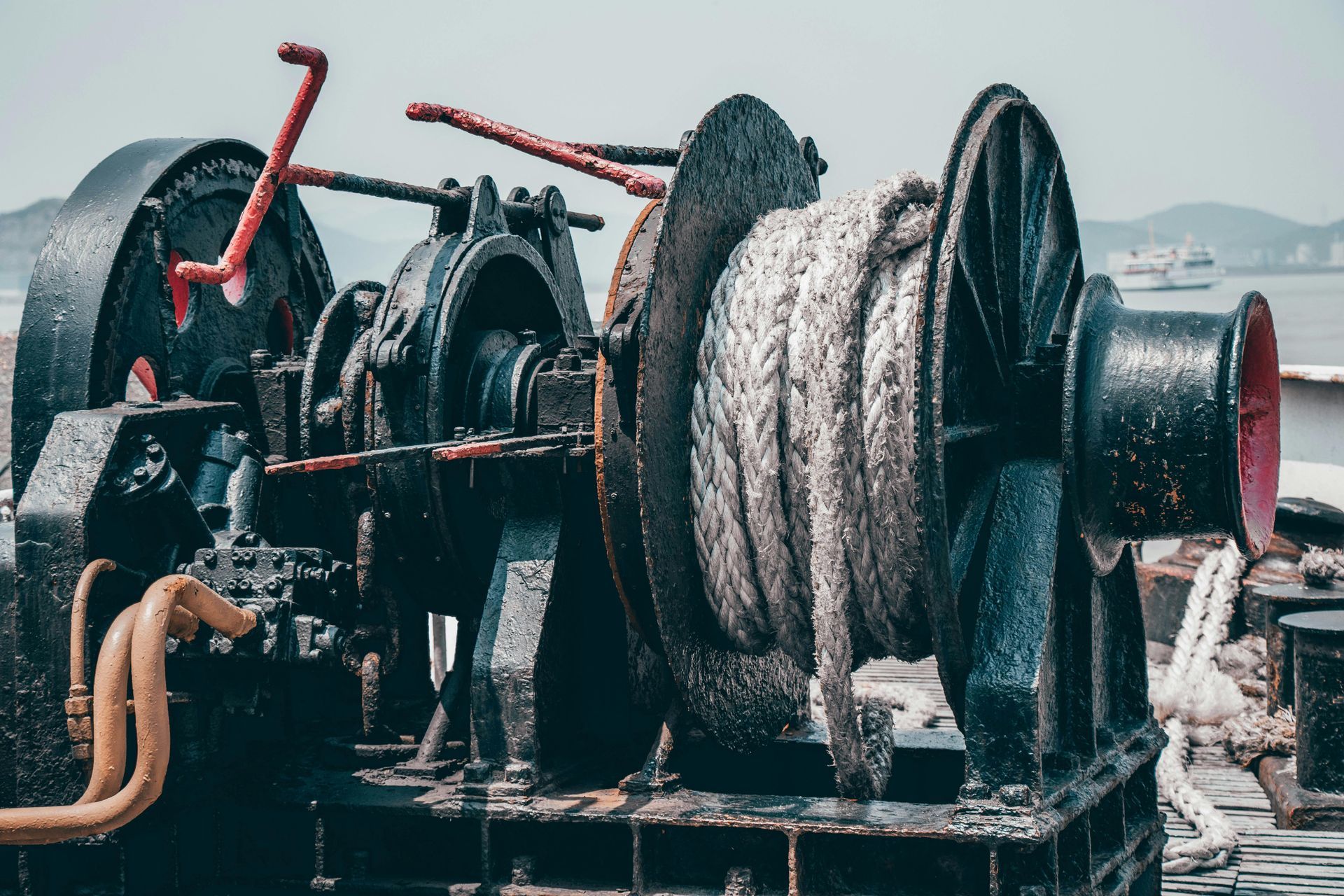
What capacity winches are needed for loaded commercial trucks? Recovery vehicles for heavy-duty work carry winches rated for 35,000 to 70,000 pounds of pulling force, providing the capacity to move fully loaded trucks even when resistance from soft ground or steep angles multiplies the effective weight being pulled.
How do rural conditions around Estherville create winch-out situations? Gravel roads softened by rain, farm access routes without paved surfaces, and shoulders with loose soil allow commercial vehicles to sink when drivers pull over or attempt to turn around, creating immobilization that requires powered extraction.
Randy's Wrecker and Repair operates winch systems designed for the pulling forces required by commercial vehicles in challenging terrain. Contact dispatch when your truck is stuck and self-recovery attempts are causing further sinking or component stress.